


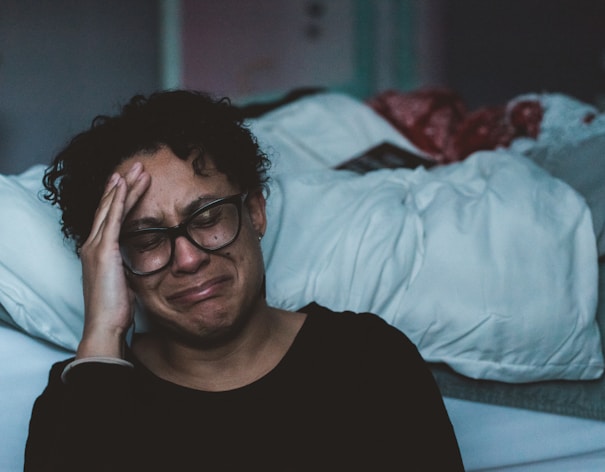
The grieving process after a death is different for everyone, and there is no single correct way to go through it. Most people find that the most intense reactions ease within the first year. Support lines that answer around the clock are available in San Diego County.
Updated October 12, 2026. This article is general information, not medical advice.
What is grief?
Grief is a person’s emotional response to loss. It shows up in the body as well as the mind: sadness, tearfulness, trouble sleeping, loss of appetite and fatigue are all common. The National Institutes of Health describes reactions like these as normal responses to loss, and it notes that grief itself is not a disorder.
Grief can begin before a death. Anticipatory grief is the response to a loss that is expected, such as when a family knows a loved one is in hospice.
Is there a normal way to grieve?
No. Reactions to loss vary from person to person, and they change over time within the same person. Two people in one family can respond very differently to the same death. That does not mean either of them is grieving the wrong way.
How long does the grieving process after a death last?
Most people recover adequately within a year after a loss, according to a clinical review published through the National Library of Medicine. University of Wisconsin family medicine guidance adds that grief reactions often become less strong within six months. They can also return later, especially when another loss occurs.
When does grief become prolonged grief disorder?
Prolonged grief disorder is a diagnosis for grief that stays intense and interferes with daily life. The DSM-5-TR considers it for a specific set of symptoms that last longer than 12 months in bereaved adults and longer than 6 months in bereaved children, when another condition such as depression or PTSD does not better explain them. Only a clinician can make this diagnosis.
Clinicians list several risk factors, including a sudden death or being unprepared for it, a previous loss, and earlier trauma. The NIH points out that the name does not mean grief itself is a disorder.
When should I ask for help?
Reaching out for support is a reasonable step when grief feels overwhelming or the ways you usually cope are not working, and a doctor or counselor can help. If you are having thoughts of suicide, call or text 988 right away. It is free, confidential and answers 24 hours a day.
Where can I find grief support in San Diego County?
- 988 Suicide & Crisis Lifeline: call or text 988, or chat at 988lifeline.org. Free and confidential, 24 hours a day.
- San Diego Access and Crisis Line: 1-888-724-7240. The County’s free, confidential line, answered 24 hours a day, seven days a week.
- 211 San Diego: dial 2-1-1 for referrals to community and health services, 24 hours a day.
- Trauma Intervention Programs of San Diego County: 855-847-7343. Trained volunteers provide emotional first aid after a tragedy, and its website lists bereavement support groups.
- Your loved one’s hospice: Medicare-participating hospices must make bereavement services available to the family for up to one year after the death. Call and ask what they offer.
Our guide to finding help through community resources gives details on each.
What does Beyond Cremations handle?
Beyond Cremations is a direct cremation provider, not a counseling service. We answer 24 hours a day at (858) 258-6777, arrange everything by phone, and sign every form electronically, so your family never has to come in. Direct cremation is $950 anywhere in San Diego County. See our pricing.
Related guide: how to plan a memorial service after cremation.
Frequently asked questions
How long does grief last? Most people recover adequately within a year, and reactions often become less strong within about six months. They can return later, for example on an anniversary or after another loss.
Is it normal to have physical symptoms of grief? Yes. The NIH lists loss of appetite and fatigue among normal responses to loss, and trouble sleeping and tearfulness are common in acute grief.
What is prolonged grief disorder? A diagnosis considered when specific grief symptoms last longer than 12 months in adults, or 6 months in children, and are not better explained by another condition. A clinician makes the diagnosis.
Where can I get grief support in San Diego? Start with the numbers above: 988, the Access and Crisis Line at 1-888-724-7240, 211, and your loved one’s hospice.
Does Beyond Cremations offer counseling? No. We arrange direct cremation. For counseling, use the organizations listed above or ask your doctor.
Sources: Grief Reaction and Prolonged Grief Disorder, National Library of Medicine · Navigating Grief, NIH News in Health · Coping with Grief, University of Wisconsin Department of Family Medicine · EBSCO Health Notes on prolonged grief disorder and DSM-5-TR · 988 Lifeline · County of San Diego Access and Crisis Line · 211 San Diego · Trauma Intervention Programs of San Diego · 42 CFR 418.64